


How to Eat More Fiber: Tips, Foods, And a Sample Meal Plan
Fiber is one of the most powerful and underused tools for better health. Yet, despite all of the known benefits of fiber, most people don’t come close to eating enough each day.
I recently had the opportunity to talk about this on Twin Cities Live, where I shared practical, real-life ways to increase your fiber intake without having to overhaul your entire diet. If you’re trying to improve your digestion, support your metabolism, balance blood sugar, or even manage your weight, fiber should be part of your daily routine.
Let’s break down exactly why fiber is essential, which foods contain the most fiber, and how to consistently reach that goal of at least 25-30 grams of fiber per day with realistic tips and an easy-to-follow meal plan included.
Why You Should Eat More Fiber
Fiber is a type of carbohydrate that your body can’t fully digest. While that might sound like a negative thing, it’s actually what makes fiber so valuable. Because it isn’t fully broken down in the digestive tract, fiber helps regulate your digestion, slows the absorption of sugar, and plays a role in keeping you full between meals.
But the benefits don’t stop at digestion. Fiber helps to stabilize blood sugar levels by slowing down the rate at which carbohydrates are absorbed into your bloodstream. This is especially important for those managing insulin resistance, prediabetes, or type 2 diabetes. It also stimulates GLP-1, a satiety hormone that can help regulate appetite, making fiber a key player in healthy weight management.
In addition, fiber can help reduce LDL, sometimes known as “bad” cholesterol levels, which supports heart health. It’s also associated with reduced inflammation and even a lower risk of chronic diseases like colorectal cancer. In short, fiber helps you feel better now and protects your health in the future.
How Much Fiber Do You Need?
The general recommendations for fiber are 25-30 grams per day. Despite this, the average American only gets 10-15 grams per day – about half of the target range. That means most people would benefit from simple, practical tips encouraging more fiber intake.
It’s important to increase your fiber slowly and drink plenty of water as your intake goes up. This helps reduce any potential bloating or discomfort that may happen if you suddenly introduce a large amount of fiber all at once.
High-Fiber Foods to Add to Your Day
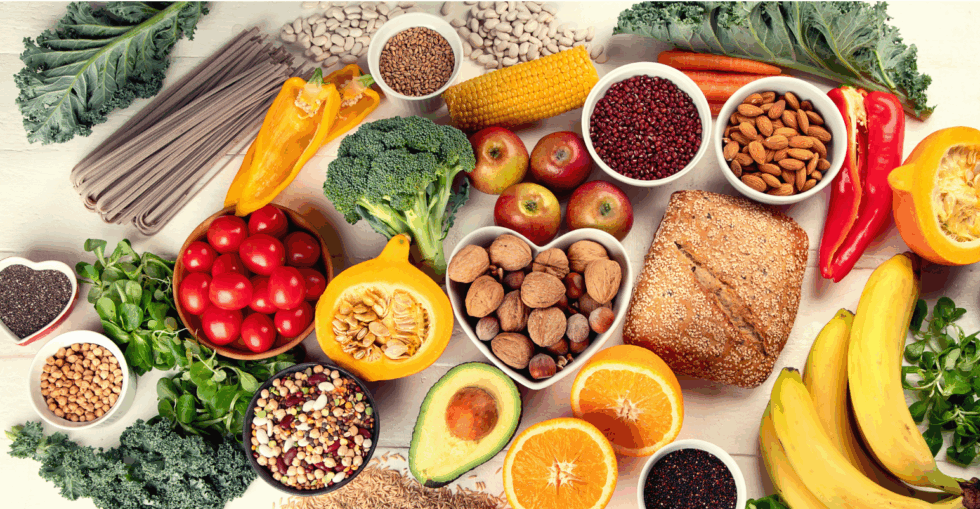
Here are some of my favorite fiber-rich foods that are easy to incorporate into everyday meals:
- Lentils – 1 cup contains 15.5 grams of fiber
- Black Beans – 1 cup contains 15 grams of fiber
- Basil Seeds – 2 Tbsp contains 15 grams of fiber
- Chickpeas – 1 cup contains 13 grams of fiber
- Chia Seeds – 2 Tbsp contains 10 grams of fiber
- Green Peas – 1 cup contains 9 grams of fiber
- Flaxseed – 2 Tbsp contains 8 grams of fiber
- Blackberries – 1 cup contains 8 grams of fiber
- Raspberries – 1 cup contains 8 grams of fiber
- Oats – 1/2 cup contains 6 grams of fiber
- Avocado – 1/2 medium contains 5 grams of fiber
- Pears – 1 medium contains 5.5 grams of fiber
- Broccoli – 1 cup contains 5 grams
- Almonds – 1/4 cup contains 4 grams of fiber
- Carrots – 1 cup contains 3.5 grams of fiber
- Brussels Sprouts – 1 cup contains 3.5 grams of fiber
- Natural Peanut Butter – 2 Tbsp contains 3 grams of fiber
- Pistachios – 1 oz contains 3 grams of fiber
Adding just a few of these foods to your daily meals and snacks can make a big difference in your overall fiber intake.
How to Eat More Fiber: Real-Life Strategies That Work
One of the easiest ways to eat more fiber is to start small and slow. If you add too much fiber in too quickly, it can cause digestive destress. Instead, begin by adding a fiber-rich food to one meal or snack per day. Once that feels routine, add another. For breakfast, try stirring basil seeds or flaxseeds into your yogurt or overnight oats, or top your toast with mashed avocado or nut butter for an extra boost.
At lunch, replace white rice or white bread with fiber-rich sources like brown rice, quinoa, or sprouted bread. Another great tip: eat the skin! Many fruits and vegetables contain most of their fiber in the skin, so leave the skin on apples, pears, cucumbers, and kiwi whenever possible. Yes, kiwi skin is edible!
The same strategy can be used at dinner. Look for ways to include beans, lentils, or fiber-rich vegetables in your main dishes. Add beans to soups, mix lentils into a pasta sauce, or serve roasted broccoli alongside your protein of choice.
Even snacks can be an opportunity to add fiber. Try pairing fruit with nuts, or grab a handful of roasted edamame or high-fiber crackers.
Sample High-Fiber Meal Plan (30+ Grams Per Day)
If you’re wondering what a full day of high-fiber eating could look like, here’s a sample meal plan:
Breakfast: Smoothie with 1 Tbsp. chia seeds added in. This gives you an extra 5 grams of fiber.
Lunch: Chickpea and Veggie Chopped Salad topped with chicken. This gives you 12-15 grams of fiber.
Snack: No Bake Peanut Butter Coconut Balls and an apple with the skin. This gives you 7-9 grams of fiber.
Dinner: Grilled Salmon Served with roasted broccoli and 1/2 cup cooked quinoa. This gives you 6-8 grams of fiber.
Total Daily Fiber: 30-37 grams
This balanced meal plan hits your fiber goals while incorporating satisfying meals and nutrient-dense recipes that are simple to prep and enjoy.
Watch the Full TV Segment: How to Eat More Fiber
I had such a great time joining the hosts of Twin Cities Live to share more about why fiber is such an important part of any healthy eating plan. We talked about easy ways to add more fiber to your diet and why it’s essential for blood sugar balance, metabolism, and more.
You can watch the full segment here.

Final Thoughts
Fiber is one of the most underrated nutrients when it comes to supporting your long-term health. Whether you’re focused on improving digestion, managing your weight, or stabilizing blood sugar, focusing on your fiber intake can be a tool to help you get there without cutting out the foods you love.
Start small, stay consistent, and build meals around whole, fiber-rich ingredients that nourish your body and fuel your day.
Need support making changes that work with your lifestyle? Apply for my 1:1 personalized nutrition program called Healing Hormones Academy.
Add A Comment