


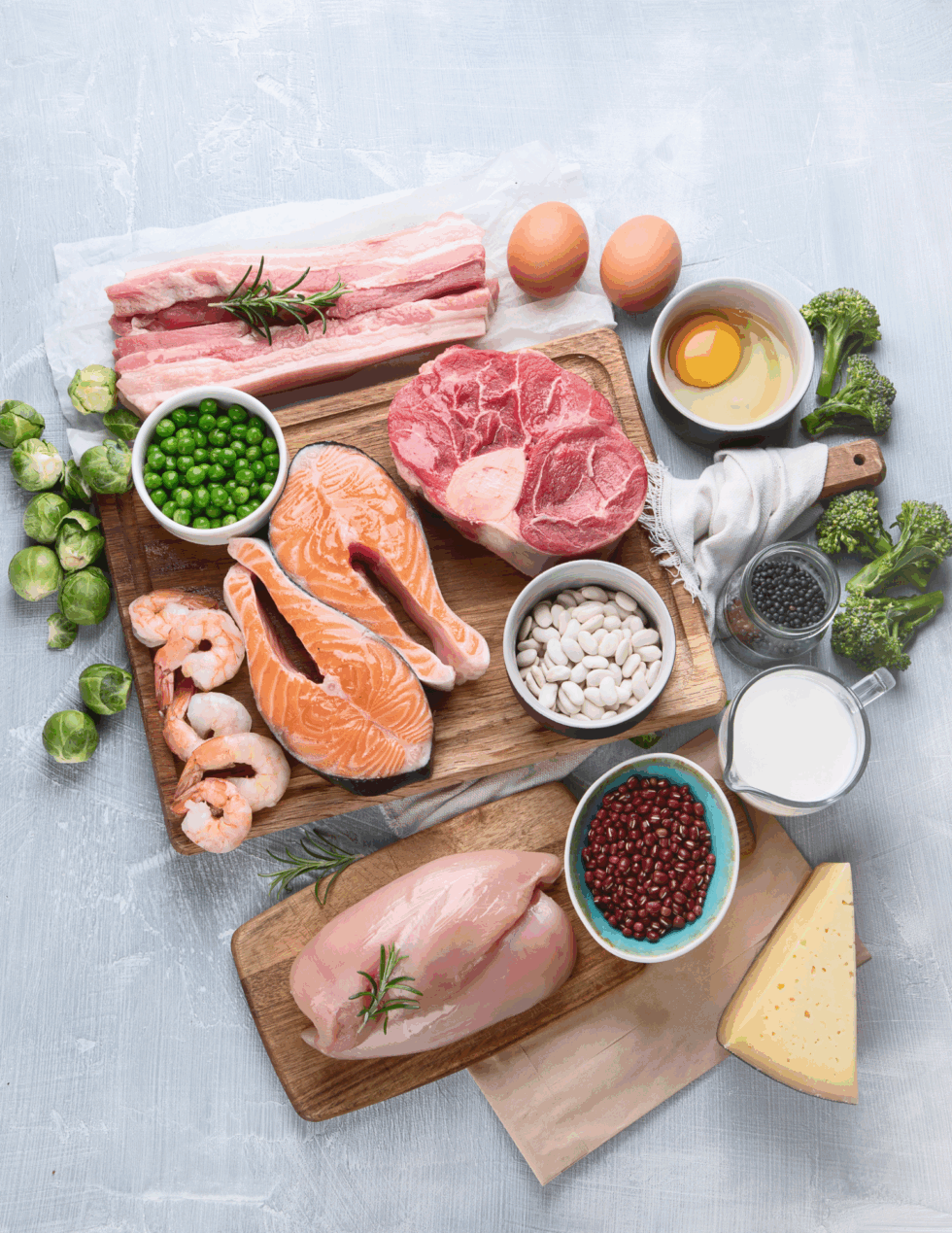
How Much Protein Do Women Really Need?
If you’re a busy woman trying to feel more energized, manage your weight, improve your mood, or reduce PMS, perimenopause, and menopause symptoms, protein might be the missing link. It’s one of the most essential, and often overlooked, macronutrients when it comes to balancing hormones and supporting a healthy metabolism.
Protein is getting a lot of attention on social media right now, highlighting its importance for muscle growth and maintenance; however, there are so many other ways it can help improve your overall health, especially for women.
Many women come to me eating a healthy diet that may include yogurt and granola for breakfast, a salad for lunch, and an apple with peanut butter for a post-workout snack. Still, in taking a closer look, we discover they are unknowingly lacking in protein intake. The result? They have energy crashes, mood swings, sugar cravings, and more.
Let’s unpack why protein is critical for women’s health, especially hormonal health, how much you need, and how to start getting more.
Signs You Might Not Be Getting Enough Protein
Many women don’t realize they are falling short on their protein intake. If you often feel hungry shortly after eating, or you find yourself reaching for sugary or salty snacks in the afternoon, it could be a sign your meals aren’t giving you enough fuel. Another common clue is relying on caffeine to get through the day, especially when your energy drops unexpectedly.
Some women also notice they struggle to build or maintain muscle even with regular workouts, or that they feel bloated, inflamed, or puffy, especially around their cycle. Irregular or heavy periods can also be linked to a lower protein intake.
In the long run, chronically low protein intake can lead to muscle loss, slow metabolism, hair thinning, poor immune function, and difficulty managing weight. It may also disrupt sleep and make perimenopausal or menopausal symptoms feel more intense. Many women I work with don’t realize how much better they could feel simply by eating enough protein consistently. It’s not about restriction but focusing on fueling your body better.
Why Protein Matters for Hormones
Protein isn’t just for building muscle. It’s the foundation your body uses to make cells, enzymes, neurotransmitters, and hormones. Without enough of it, your body doesn’t have the materials to function optimally.
Estrogen, progesterone, insulin, cortisol, and thyroid hormones are all impacted by your protein intake. Protein is made up of amino acids, and many of your key hormones are proteins themselves. Without sufficient protein, your hormonal communication system starts to break down, leaving you feeling tired, moody, and imbalanced.
Even your stress response depends on protein. When you’re chronically stressed and not eating enough protein, your body prioritizes cortisol production over the production of other hormones, which can throw off your sex hormones and contribute to symptoms like irregular cycles, PMS, and even weight gain.
Protein and Metabolism: The Hormone-Weight Connection
If you’re trying to lose weight, eating more protein is key for supporting your metabolism.
Protein helps regulate ghrelin (the hunger hormone) and supports lean muscle mass, which is your most metabolically active tissue. The more muscle you have, the more calories you burn, even at rest. That’s why protein is especially important for women in their 30s, 40s, and beyond when muscle mass starts to decline naturally.
It also takes three times more energy to digest protein than it does for carbohydrates or fat, making it easier to burn more when we eat enough protein throughout the entire day.
The Power of a Protein-Packed Breakfast
One of the most impactful changes you can make for your hormones and metabolism is starting your day with a high-protein breakfast. Eating at least 25-30 grams of protein in the morning helps to balance your cortisol levels (which naturally peak when waking up), keep your blood sugar stable, and reduce cravings later in the day. A high-protein breakfast can also improve focus, support thyroid function, and set the tone for better energy throughout your day.
In contrast, a typical carb-heavy breakfast like toast, cereal, or a granola bar might give you a quick burst of energy, but it often leads to a crash by mid-morning. That’s when you find yourself reaching for coffee, sugar, or snacks to get through. By simply shifting your first meal to include more protein, you give your body the fuel it needs to stay steady and satisfied.
Three High-Protein Breakfasts
So, How Much Protein Do Women Actually Need?
The amount of protein a woman needs can vary based on their activity level, muscle mass, age, and goals. In general, for women looking to balance blood sugar, maintain lean muscle, support their metabolism, and keep hormones in check, around 0.8 grams of protein per pound of ideal body weight is a good place to start to sustain and build muscle. For example, a woman who’s ideal weight is 150 pounds might aim for 120 grams of protein per day. This may sound like a lot, but when spread throughout the day, it can be manageable.
It’s also important to note that increasing your protein intake should be done slowly. So if you’re currently having 60 grams of protein, start working on having 70 grams per day for a week, then 80 grams per day the next week, and so on.
If tracking feels overwhelming, a simple practice to start is aiming for at least 25-30 grams of protein per meal (or at least protein the size of the palm of your hand), especially at breakfast. This helps regulate your hunger hormones, reduce cravings, and prevent the mid-morning or afternoon energy crash so many women experience. And yes, it’s possible to do this with whole foods, not just protein powders or bars.
Small Changes Add Up
Adding more protein to your day doesn’t mean giving up carbs or counting every gram. It means supporting your body with the building blocks it needs to make hormones, stabilize mood, and keep your metabolism working for you.
Some examples of easy ways to increase your protein:
- Add collagen to your morning coffee
- Mix hemp hearts with nut butter and serve with fruit
- Add cottage cheese to egg bakes or scrambled eggs
- Top salads with tuna and hard-boiled eggs
- Add Greek yogurt to your fruit for an afternoon snack
Conclusion
If you’ve been feeling tired, struggling with cravings, wanting to lose weight in a healthy and sustainable way, or wanting to support your hormones as you age, I encourage you to take a closer look at your protein intake, especially in the morning.
Starting your day with a protein-rich breakfast isn’t just about staying fuller longer; it’s about supporting your energy, metabolism, hormones, and overall well-being all day long.


Add A Comment