


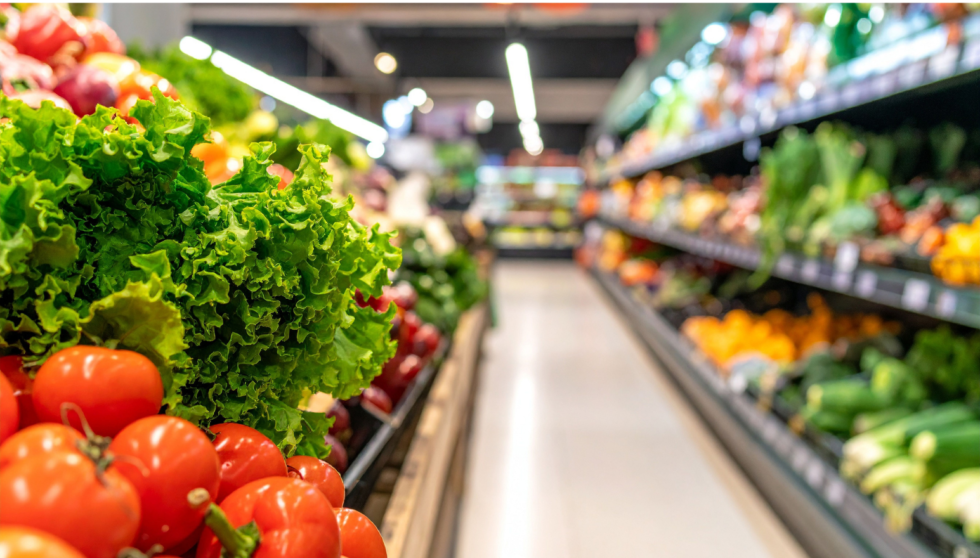
Healthy Grocery Swaps to Balance Blood Sugar: A Dietitian-Approved Guide for Better Energy & Less Cravings
If you’ve ever walked through the grocery store buying foods labeled “healthy” only to find yourself tired, hungry, or craving sugar an hour after eating them, you’re not imagining it.
Blood sugar balance has less to do with strict dieting and more to do with how your meals are fueling your body.
As a registered dietitian, one of the simplest frameworks I teach clients is this: Protein first, fiber whenever possible, and be mindful of sugar intake.
When these anchors are in place, energy, cravings, digestion, and even mood tend to improve.
I recently shared some of my favorite grocery store swaps on the Minneapolis-based show “Twin Cities Live.”
This blog expands on that segment so you can turn it into a practical, everyday system you can use at the store this week.
Why Grocery Swaps Matter More Than “Perfect Eating”
Most people think blood sugar balance requires eliminating carbs or eating perfectly clean. In reality, it comes down to food pairing and food quality.
For example, a snack that is just crackers or fruit alone will digest quickly and may lead to a spike in blood sugar followed by a crash.
Instead, when you pair those same foods with protein, blood sugar levels stay more stable, keeping you feeling fuller longer.
This is why simple grocery swaps can be so powerful. The items you add to your cart can leave you feeling sluggish, tired, and hungry, or they can leave you full, nourished, and energized.
A helpful mindset shift I encourage clients to use is thinking in terms of structure rather than restriction. Instead of asking “What should I cut out?”, ask “How can I make my meals work better for me?”
High-Protein Grocery Swaps for Stable Energy and Fewer Cravings
Protein plays one of the most important roles in blood sugar regulation. It slows gastric emptying, helps blunt glucose spikes, and increases satiety hormones that keep you full longer.
It’s also the macronutrient I find the hardest to get in since it takes some planning and preparation. That’s why I recommend keeping simple protein options on hand when you need something quick. Like these:
- Cottage cheese (like Daisy or Good Culture brand)
- Greek yogurt or Siggi’s Icelandic yogurt (which is actually higher in protein than Greek yogurt)
- Eggs (I always make a batch of hard-boiled eggs on the weekends)
- Nitrate-free jerky sticks (like CHOMPS brand)
- Pre-cooked nitrate-free chicken sausages (like Aidells or Amylu brands)
- Edamame (either plain or roasted)
- Wild-caught canned tuna or salmon (like Wild Planet brand)
- Protein bars like RX or RAWR bars (my personal favorite)
Smart Carb Swaps That Support Steady Blood Sugar
Carbohydrates get a bad reputation when it comes to blood sugar, yet they are the body’s preferred source of fuel. It’s not that we need to cut out all carbs, it’s just about swapping them for healthier alternatives.
I recommend having veggies and fruit as your main source of carbohydrates, and including more fiber-rich options for things like bread or pasta. Here are some ideas for healthier swaps:
- For bread, opt for sprouted-grain bread (like Ezekiel bread). Sprouted bread increases nutrient availability and is easier to digest.
- Replace traditional white pasta with chickpea or lentil pasta (like Goodles brand), which is about double the amount of fiber and protein compared to traditional pasta noodles.
- Swap traditional crackers for nut and seed crackers, or a Wasa cracker. They are higher in fiber and pair extremely well with protein-rich toppings like tuna salad or cottage cheese.
- Swap sugary granola for grain-free nut, seed, and fruit-based granola like Seven Sundays brand or lower-sugar options like Purely Elizabeth brand.
Low-Sugar Beverage Swaps That Make a Big Difference
One of the most overlooked contributors to blood sugar imbalance is what we drink. Liquid sugar is absorbed quickly and does not provide satiety, which means it can spike blood sugar without making you full.
Ideally, water is our main beverage of choice, and I also understand drinking plain water all day can get boring. Here are some of my favorite low-sugar options if I want something beyond plain water:
- Sparkling water instead of juice or soda. One of my favorite options is Spindrift, which uses real fruit juice for flavor but still contains far less sugar than traditional soda or juice beverages.
- Prebiotic sodas instead of regular soda or diet soda. Options like Poppi and Olipop are lower in sugar compared to regular soda, and provide carbonation while including prebiotic fibers that may support gut health.
- Coconut water to help boost your hydration with natural electrolytes. I personally like the Vitacost brand.
- Electrolyte powders like Re-Lyte, or my personal favorite Potassium Cocktail by Jigsaw Health, which you can order through Fullscript.
- Infusing water can also be a simple and cost-effective strategy for adding more flavor to your water. Using ingredients like cucumber and lime, strawberries and basil, or pineapple and mint can make water more appealing without adding sugar or artificial sweetness.
My personal favorite infused water combination includes:
- 1 cup frozen pineapple
- 1 cup sliced cucumbers
- 1 lime, sliced
- 8 cups water
How to Build a Blood Sugar-Friendly Grocery Cart
If grocery shopping feels overwhelming, a helpful approach to adding nutrient-dense foods to your grocery cart is what I call the “5-4-3-2-1 method.”
The 5-4-3-2-1 method includes:
- 5 veggies (such as salad, frozen veggies, carrots, cucumbers)
- 4 proteins (such as ground turkey, eggs, cottage cheese, and chicken sausages)
- 3 fruits (such as berries, oranges, and banana)
- 2 grains or starches (such as sprouted bread, beans, or rice)
- 1 fun purchase or beverage (coconut water, dark chocolate, kombucha)
When you use this simple method, it’s easy to fill your grocery cart with nutrient-dense foods that will support better blood sugars and energy all day long.
Watch My Full Segment on Healthy Grocery Swaps
You can watch the full TV segment here.

Final Thoughts
Making healthier grocery choices is one of the most effective ways to support stable blood sugar, but knowing what to buy is only one piece of the puzzle. Understanding how to build balanced meals, pair foods strategically, and create sustainable habits is what leads to long-term success.
If you’re looking for more support with this, check out my book The Blood Sugar Balancing Handbook or my personalized nutrition program called Healing Hormones Academy.
Together with the grocery swaps in this blog post, you’ll have a practical framework for building meals and snacks that help you feel your best each day.
Add A Comment