


The 3 P’s of Meal Prep: A Simple Way to Make Healthy Eating Easier
If meal prep makes you picture spending your entire Sunday cooking six different recipes and filling your fridge with perfectly portioned containers, you’re not alone.
For many busy women, traditional meal prep can feel like just another already-full to-do list.
Instead, I like to think about meal prep as having a few building blocks ready to go so you can quickly put together balanced meals and snacks throughout the week.
This approach is flexible, saves time, and makes it easier to prioritize nutritious foods even when life gets busy.
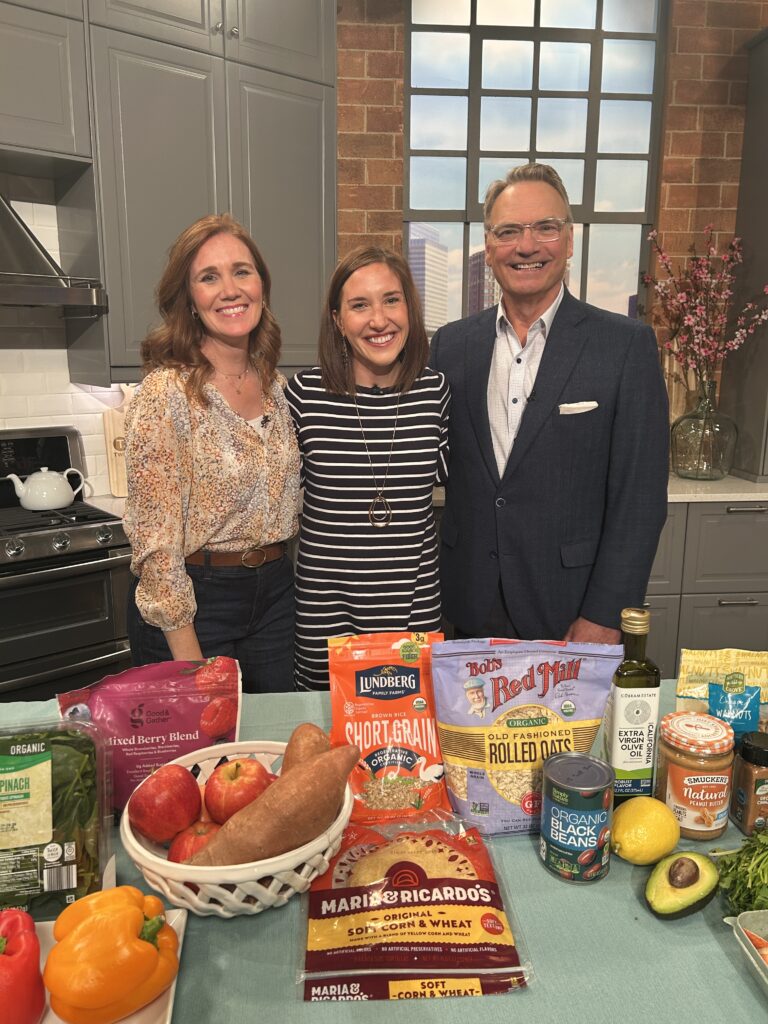
I recently shared this approach on Twin Cities Live, where we talked about how a little preparation can make healthy eating easier throughout the week.
Watch the Twin Cities Live segment here.
The 3 P’s of Meal Prep
1. Plan Your Grocery List
Before heading to the grocery store, take a few minutes to think about what you actually need.
You don’t need to plan every breakfast, lunch, dinner, and snack for the entire week. Instead, choose a few meals or staple ingredients you’d like to have available.
Start by checking your refrigerator, freezer, and pantry. What do you already have? What needs to be used up? What staples are you running low on?
Then, build your grocery list around versatile ingredients that can be used in multiple meals.
2. Purchase Groceries
Once you have your list, it’s time to shop.
As you choose your groceries, look for foods that can work across multiple meals and snacks.
This is especially helpful when you’re short on time because you can mix and match the same ingredients in different ways throughout the week.
For example, you might purchase:
- Chicken for salads, wraps, bowls, or dinner
- Eggs for breakfast or a quick lunch or snack
- Berries for smoothies, yogurt bowls, or snacks
- Spinach for eggs, salads, smoothies, or pasta
- Rice for grain bowls, stir-fries, or as a side dish
- Avocado for toast, salads, bowls, or tacos
You can also make meal prep easier by using a combination of fresh and frozen foods. Frozen vegetables and fruit are convenient, nutritious options to keep on hand and can help reduce food waste.
Pre-washed greens, frozen vegetables, pre-cooked grains, canned beans, rotisserie chicken, and other shortcuts can make it easier to put together balanced meals when you’re busy.
3. Prep Some Staples Ahead of Time
This is where you can save yourself a lot of time during the week. Even 30 minutes of meal prep can make a difference.
Rather than preparing every meal in advance, choose a few things that will make meals and snacks easier to assemble.
For example, you could:
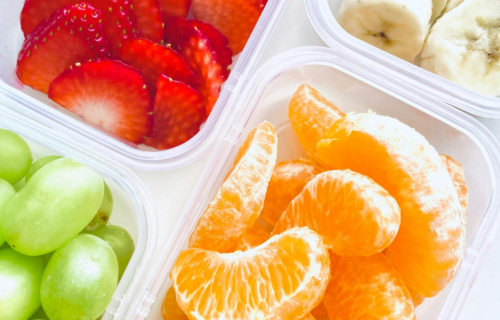
- Wash and cut up fruits and vegetables
- Roast a sheet pan of vegetables – like my Roasted Brussels Sprouts with Delicata Squash and Pecans
- Cook chicken or ground turkey
- Make a batch of rice or quinoa
- Prepare an egg bake or egg cups – like my Greens and Goat Cheese Egg Bake
- Portion out nuts or other snacks
- Wash greens for salads
- Make a simple sauce or dressing
Think about what tends to slow you down during the week and prep that item ahead of time.
If getting breakfast on the table is difficult, prepare a breakfast option. If you tend to order takeout because you don’t have a protein ready for dinner, prep a protein. If you’re always reaching for something sweet in the afternoon because you don’t have a snack available, prepare a few easy snack options.
Meal prep should solve a problem, not create another one.
Build Your Meal Prep Around Staple Ingredients
One of my favorite ways to approach meal prep is to think in terms of mix-and-match building blocks.
Instead of deciding that you’re going to eat the exact same meal five days in a row, choose a few ingredients from different categories that you can combine in different ways.
1. Protein
Choose 3-4 protein sources to have available for the week.
Some options include:
- Chicken
- Eggs
- Canned tuna or salmon
- Ground turkey or beef
- Greek yogurt
- Cottage cheese
- Tofu
Protein is an important part of building satisfying meals, so having convenient protein options ready to go can make putting together a balanced meal much easier.
For example, cooked chicken could become a salad at lunch, a grain bowl for dinner, or a filling for a wrap.
2. Vegetables and Fruit
Choose 3-4 vegetables and 3-4 fruits each week. You can use a combination of fresh and frozen options and switch things up based on what’s in season.
Having produce washed, chopped, or ready to eat can make it much easier to add fruits and vegetables to your meals throughout the day.
3. Grains and Beans
Choose 2-3 grains or beans to have available.
Some options include:
- Rice
- Quinoa
- Beans
- Lentils
- Oats
These help to increase fiber and bulk up the meal.
4. Flavor Boosters
This category is easy to overlook, but flavor can make a huge difference in whether you actually enjoy your meals.
Keep a few ingredients on hand that can change the flavor of your basic building blocks.
Some options include:
- Extra-virgin olive oil
- Avocados
- Nut butters
- Sauces
- Lemon or lime
- Nuts and seeds
- Cheese
- Fresh herbs
- Spices
For example, the same chicken and roasted vegetables can taste completely different depending on the herbs, spices, sauce, or toppings you add.
This is one reason I love the building-block approach to meal prep: you can use the same staple ingredients without feeling like you’re eating the exact same meal every day.
What Does Flexible Meal Prep Actually Look Like?
Let’s say you spend about 30 minutes prepping on Sunday.
You might:
- Cook a batch of chicken
- Make rice
- Roast broccoli and peppers
- Wash berries
- Hard-boil a few eggs
You now have several building blocks ready to go.
On Monday, you could make a chicken and rice bowl with roasted vegetables.
On Tuesday, you could add the chicken and vegetables ot a wrap with avocado and a flavorful sauce.
On Wednesday, you might make a salad with chicken, peppers, nuts, and cheese.
For breakfast or snacks, you could pair eggs with fruit or Greek yogurt with berries and nuts.
You didn’t prepare seven identical meals. Instead, you prepared ingredients that can become multiple meals.
Meal Prep Doesn’t Have to Be All or Nothing
One of the biggest mistakes I see with meal prep is thinking that it needs to take the entire weekend to complete. You don’t need to spend six hours in the kitchen every Sunday. You don’t need seven perfectly portioned containers. And you certainly don’t need to eat the same meal every day.
Remember, thirty minutes of preparation is better than nothing.
Make Meal Prep Work for Your Life
Healthy eating doesn’t require perfection. Sometimes the most helpful thing you can do is make the healthier choice the easier choice.
So, the next time you’re planning your week, remember the 3P’s:
Plan your grocery list.
Purchase versatile ingredients.
Prep a few staples ahead of time.
That’s it.
A little preparation can go a long way toward making nutritious meals easier, even when your schedule is anything but predictable.
Want More Help Making Healthy Eating Easier?
If you’re tired of feeling like eating well requires hours of meal planning and preparation, my FUELED monthly membership can help you simplify the process with practical meal and snack ideas each week and resources designed for busy women looking to support their blood sugar, energy, and metabolism with sustainable nutrition and lifestyle changes.
Add A Comment