


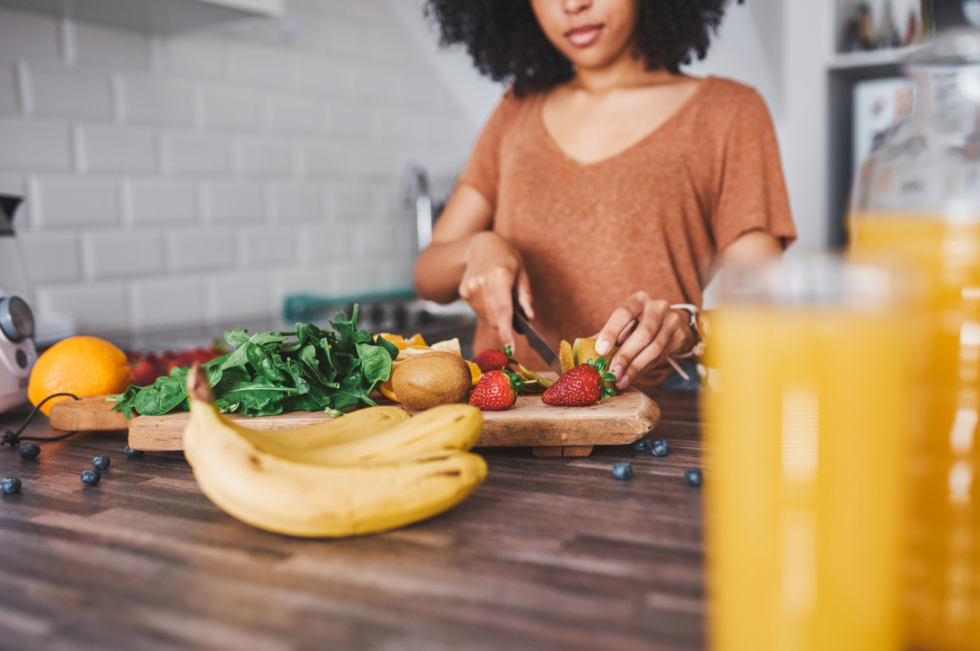
Tired of Dieting? Here’s How to Build a Healthy Relationship with Food
Many women spend years, or even decades, dieting. Along the way, they begin to see food through the lens of “good” and “bad.” They learn that eating a salad means they were “good” today, while enjoying dessert means they’ve “fallen off the wagon.”
Over time, these beliefs become so ingrained that they start to feel normal.
As a Registered Dietitian, I hear it every day.
“I was good all week, but…”
“I totally fell off the wagon.”
“I just need more willpower.”
“I know exactly what to do, I just don’t do it.”
These phrases aren’t simply about food; they reflect the way diet culture has shaped how many women think about eating, health, and even themselves.
The truth is, a healthy relationship with food isn’t about striving for perfection. It’s not about eating whatever you want without intention, and it’s certainly not about following another restrictive diet that leaves you feeling deprived.
Instead, it’s about learning to nourish your body consistently, enjoying your favorite foods without guilt, and making choices that support both your physical health and your mental well-being.
If you’re a busy woman trying to lose weight, improve your energy, support your hormones, or simply feel healthier without constantly thinking about food, this shift can change everything.
Let’s talk about what a truly healthy relationship with food actually looks like.
What a Healthy Relationship with Food Actually Means
A healthy relationship is not about eating whatever you want, whenever you want. And it’s not rigid meal plans, cutting entire food groups, or obsessively tracking every bite.
It’s about structured freedom, intention without obsession, and discipline paired with self-respect.
Strategies to Improve Your Relationship with Food
You Choose Nourishment Most of the Time
A strong relationship with food means prioritizing meals that stabilize blood sugar, support metabolism, and reduce inflammation. You understand that food impacts your hormones, energy, sleep, and long-term disease risk.
You’re not guessing or winging it. You’re eating in a way that supports your physiology, and also understand that perfection is not required. When you enjoy a less nutrient-dense meal, you move forward without guilt or “starting over tomorrow” energy. That balance is powerful.
That’s why I encourage eating 80/20 – 80% for nourishment, and 20% for fun. This allows room for not-the-best days, while also focusing on eating well the majority of the time.
You Can Eat Dessert Without Spiraling
One of the clearest signs of food freedom is this: you can have dessert and move on. There’s no internal lecture. No compensation workout. No, “I’ll be strict tomorrow.”
You enjoy it, notice how it makes you feel, and continue to make aligned choices. When foods aren’t morally charged, they lose their power. And ironically, this reduces overeating far more effectively than restriction ever could.
Your Goals Go Beyond the Scale
Weight is one data point. It’s not the only definition of health.
A healthier relationship with food shifts your focus toward:
- Improved blood sugar and insulin levels
- Healthier cholesterol markers
- Lower inflammation
- Increased muscle mass
- Better digestion
- Stable energy
- Reduced waist circumference
- Less mental chatter around food
When you prioritize things like your daily energy, sleep, fullness, or moods over the number on the scale, you get more sustainable results.
You Trust Long-Term Strategy Over Quick Fixes
We live in a culture that rewards fast results, extreme detoxes, aggressive calorie cuts, and rapid weight loss promises.
Sustainable metabolic health requires:
- Preserving muscle
- Stabilizing blood sugar
- Supporting hormones
- Reducing chronic stress
- Rewiring your food mindset
Shortcuts don’t teach these skills. The most successful clients I work with are the ones who look at health as a marathon, not a quick sprint. That’s also why I typically work with clients for at least 3 months, because change takes time.
You Become Aware of How You Talk About Food
Eating isn’t just about food – it’s about history, habits, emotions, and traditions.
We need food to survive, and many of us also learned to use food to cope, celebrate, reward, or comfort ourselves. Our eating patterns usually start way earlier than we realize.
Think back to childhood meals. Maybe you were told, “You have to eat your veggies before dessert.” Over time, it’s easy for sugar to become a reward, not just a food.
Then fast-forward to adulthood – where diet culture piles on by labeling foods as “good” or “bad,” and we start to associate ourselves with being “good” or “bad” based on what we eat.
Instead of labeling foods as “good” or “bad,” try getting curious:
- Does this keep me feeling full and satisfied?
- How does my body feel after I eat this – light, heavy, energized?
- Does this support my energy today?
- Am I getting a variety of colors and foods throughout the day?
Improving your relationship with food takes time, so building awareness and paying attention to how food makes us feel vs. whether it’s “good” or “bad” for us is a great place to start.
A Smarter Approach to Sustainable Health
In my 1:1 coaching program called Healing Hormones Academy, we focus on:
- Personalized nutrition strategies based on your current health status and goals
- Prioritizing blood sugar regulation over counting calories
- Body composition and lab improvement
- Mindset restructuring around food
- Sustainable habits and long-term lifestyle tweaks
The outcome is not just weight loss. It’s confidence, clarity, and long-term health. Women I work with often see improvements in cholesterol, waist circumference, muscle mass, and energy levels while finally feeling calm around food. That’s the difference between dieting and rebuilding your relationship with food.
If you’re ready to redefine your relationship with food and create sustainable results, apply to work with me 1:1.
Together, we’ll build a strategy that supports your metabolism, your hormones, and your long-term health without obsession. Your health can feel peaceful and powerful

Add A Comment